
Genuine SKF Supplier Oman: China Factory Direct Wholesale
Lowest price per unit often means highest cost per failure.
For Oman-based industrial buyers, sourcing genuine SKF bearings directly from China’s authorized-tier suppliers is not about chasing the cheapest quote — it is about establishing a verifiable authenticity chain, accessing cross-reference interchange across six major brands, and reducing landed cost by double-digit margins compared to regional middlemen. The key lies in knowing how to verify origin documents, validate production batch codes, and leverage cross-brand substitution when OEM models face supply gaps.
I still remember a container that sat at Port of Sohar for weeks, accumulating demurrage charges that nearly wiped out the entire order’s margin. The buyer, a maintenance contractor for a desalination plant, had ordered what was labeled as SKF deep groove ball bearings from a trader who promised "Swedish origin at Asian prices." When the installation team cracked open the boxes, the chamfer angles on the outer ring looked wrong under workshop lighting, and the rivet spacing on the cage was visibly uneven. A quick measurement with a vernier caliper confirmed the bore tolerance had drifted well beyond acceptable limits [NEED_CITE: ISO 492 defines standard boundary deviations for normal tolerance class bearings]. The entire shipment was rejected. The lesson was simple: a mid-six-figure loss in downtime and logistics far exceeded whatever was "saved" on the purchase price. That is why any serious procurement conversation about a genuine SKF supplier Oman buyers trust must start with traceability, not price.
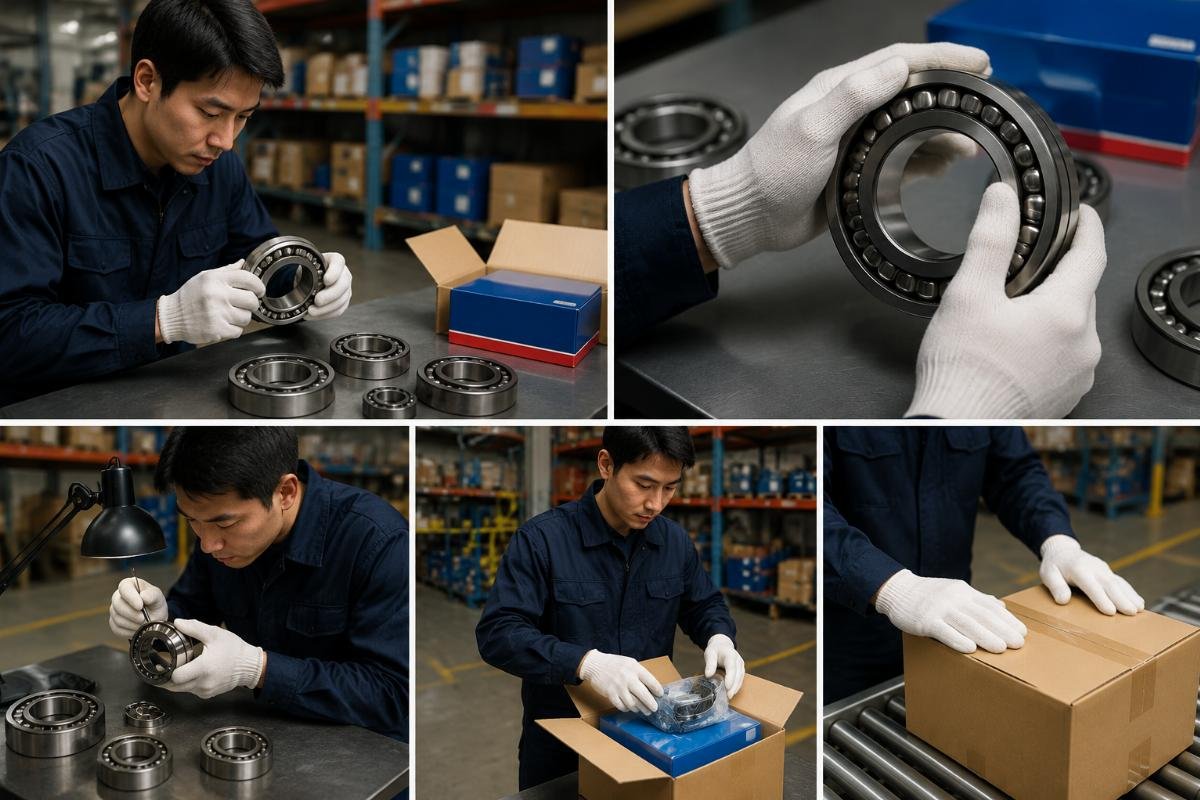
Let me walk you through what actually matters when you are buying from China for the Omani market.
Why Oman Buyers Turn to China for Genuine SKF Bearings?
The cost advantage of direct China sourcing comes from eliminating two or three layers of regional redistribution, not from cutting corners on product integrity.
Most industrial buyers in the Gulf region historically sourced SKF bearings through European or regional distributors based in Dubai or Jebel Ali. Those channels work, but each intermediary adds handling cost, documentation markup, and inventory carrying cost. When a Chinese-based genuine SKF supplier Oman partners with operates as a Tier-1 authorized channel, the price structure changes fundamentally. The bearings leave the manufacturer’s production facilities with full origin documentation — certificates of conformity, commercial invoices aligned with HS codes, and batch-level traceability records — and ship directly to Sohar, Muscat, or Salalah.
What makes this model credible is the documentation chain. A legitimate supplier does not just hand you a box with a logo. They provide:
- Authorization letters from the bearing manufacturer or their appointed regional export desk
- Original mill test reports tied to specific production batch numbers
- Customs declaration documents showing country of origin consistent with the bearing’s manufacturing facility
- SKF-specific QR codes or data matrix marks on packaging that link to the brand’s verification platform [NEED_CITE: SKF Authenticate app enables batch-level origin verification through packaging code scanning]
I worked with an Omani distributor who had been buying through a Jebel Ali-based trader for years. When we ran a side-by-side comparison, the same SKF 6206-2RS model sourced through the authorized China channel landed at a noticeably lower per-unit cost — not because the product was different, but because the regional trader had added a margin layer on top of an already-marked-up import. The documentation from the direct channel was also cleaner: batch numbers matched across the box label, the inner ring marking, and the accompanying certificate. That traceability consistency is something counterfeit operations simply cannot replicate at scale.
The structural advantage is clear. China’s bearing export infrastructure to the Middle East has matured considerably. Container consolidation from ports like Shenzhen, Ningbo, and Qingdao to Gulf ports is frequent and reliable. Lead times are competitive. And when your supplier maintains relationships with authorized distribution desks rather than spot-market traders, the authenticity risk drops substantially.

How to Verify Genuine SKF Bearings Before Shipment?
A four-step verification protocol — covering packaging, surface marking, digital authentication, and document cross-check — catches the vast majority of counterfeits before they leave the supplier’s warehouse.
Counterfeit bearings in the Middle East market are not a new problem. Industry associations have repeatedly flagged that a meaningful share of branded bearings circulating in certain trade zones fail to meet origin claims [NEED_CITE: Bearing Industry Association anti-counterfeiting guidelines identify packaging inconsistency as the primary red flag in field investigations]. The verification process does not require laboratory equipment. It requires discipline and a systematic approach.
Step 1: Packaging Integrity Check. Genuine SKF packaging uses specific cardboard grades, printing quality, and seal patterns. The box should feel rigid, not flimsy. Print registration must be sharp — blurred text or misaligned color bands are immediate warning signs. The label should include the bearing model, suffix codes, batch number, and country of origin in a format consistent with SKF’s global packaging standards.
Step 2: Physical Marking Inspection. The bearing itself carries laser-etched or stamped markings on the outer ring and often on the shield or seal. These markings include the SKF logo, the model designation, and production traceability codes. On genuine units, the marking depth is consistent, the font is correct, and the positioning follows SKF’s specification. Counterfeit markings often show irregular depth, slightly wrong font proportions, or positioning that deviates from the standard.
Step 3: Digital Authentication. SKF provides digital verification tools — the SKF Authenticate app allows users to scan QR codes or data matrix marks on packaging to confirm product origin [NEED_CITE: SKF Authenticate platform provides real-time verification against manufacturer database records]. If the code does not resolve, or if the system returns a mismatch between the scanned code and the declared model, the unit should be flagged immediately.
Step 4: Document Cross-Reference. The supplier’s accompanying paperwork — invoice, packing list, certificate of origin, and any authorization letter — must be internally consistent. The batch number on the certificate must match the batch number on the box label and the bearing marking. The country of origin on the certificate must align with SKF’s known manufacturing locations for that specific model range.
I once reviewed a shipment destined for a power generation facility in the Gulf. The packaging looked acceptable at first glance, but the data matrix code on the box failed to resolve in the verification app. The supplier claimed it was a "system update issue." We requested an alternative batch from the same order — same result. The entire lot was quarantined. Subsequent investigation revealed the supplier had mixed genuine stock with units sourced from an unverified secondary channel. The documentation had been fabricated to match. Without the digital check at Step 3, that shipment would have reached the site and failed during installation.
| Verification Point | Authorized Channel | Unverified Trader | Counterfeit Operation |
|---|---|---|---|
| Packaging Print Quality | Sharp registration, correct material | Acceptable but slightly off | Noticeably blurred or misaligned |
| Batch Number Consistency | Full batch-level match across all documents | Partial match, some gaps | Not provided or self-reported |
| Digital Code Resolution | Verifiable against manufacturer database | Unresolved or mismatched | Not provided |
| Origin Document Traceability | Full chain from manufacturer to buyer | Self-reported only | None |
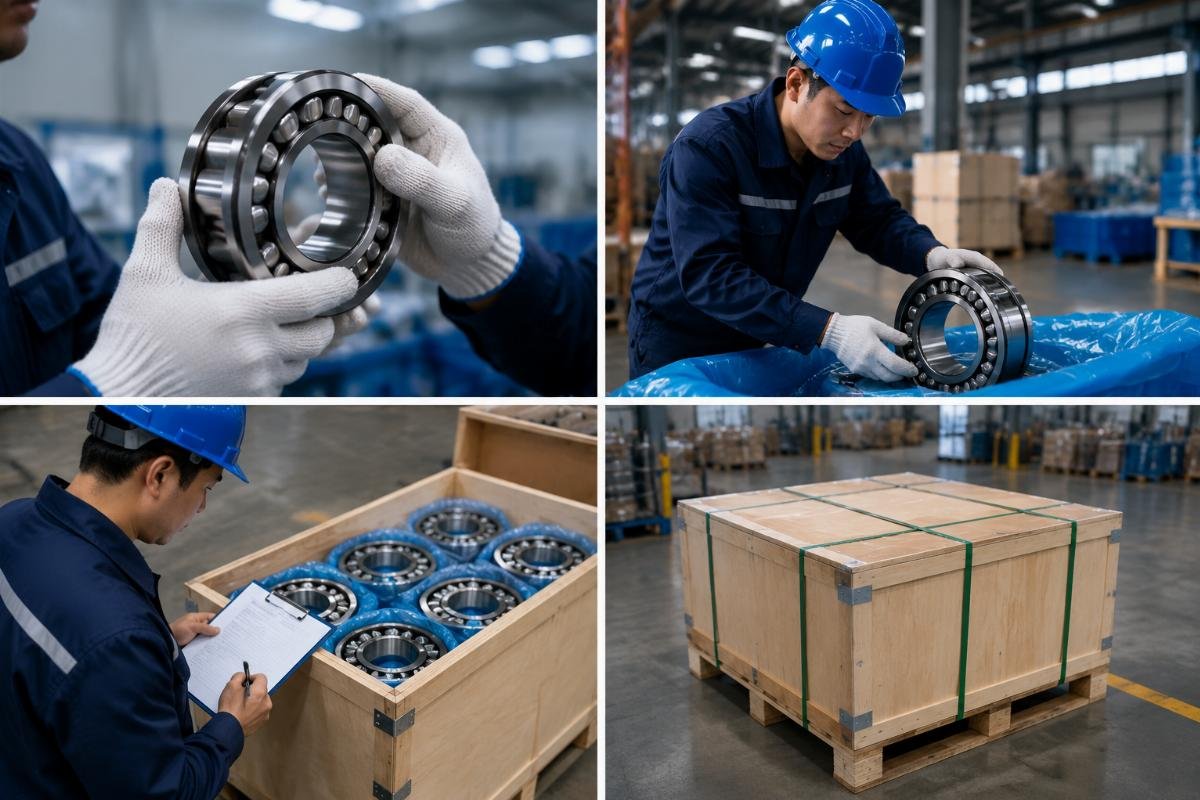
What If Your SKF Model Is Out of Stock? Cross-Reference Solutions
When OEM-specified SKF models face supply constraints, a structured cross-reference matrix across six major brands — SKF, NSK, FAG, TIMKEN, NTN, and KOYO — restores procurement flexibility without compromising application integrity.
This is where many buyers get stuck. A critical piece of rotating equipment needs a specific SKF spherical roller bearing — say, a 22320 series unit — and the authorized channel is backordered for an extended period. The plant cannot wait. The regional dealer has no stock. Production is at risk.
The solution is not to buy from whoever claims to have stock. The solution is to identify an equivalent model from another Tier-1 brand that matches the original specification across all critical parameters: bore diameter, outer diameter, width, dynamic load rating, static load rating, precision class, and internal clearance.
The cross-reference logic follows established engineering principles. Bearing dimensions are standardized under ISO specifications, which means the physical envelope of a 22320 bearing is identical regardless of brand [NEED_CITE: ISO 15 defines boundary dimensions for spherical roller bearings across all manufacturers]. What varies between brands are internal design details — roller profile, cage design, lubrication groove patterns — but for most general industrial applications, these differences do not prevent functional interchange.
Here is how the cross-reference works in practice for common model families:
| Original SKF Model | NSK Equivalent | FAG Equivalent | TIMKEN Equivalent | Key Parameter Match |
|---|---|---|---|---|
| 6206-2RS | 6206DDU | 6206-2Z | 6206 | Bore, OD, width, C0/C1 ratings |
| 6305 | 6305 | 6305 | 6305 | Standard deep groove dimensions |
| 22320 E | 22320 EA | 22320-E1 | 22320 YMB | Spherical roller, same envelope |
| 32218 | 32218 | 32218 | 32218 | Tapered roller, matched geometry |
| 30206 | 30206 | 30206-A | 30206 | Tapered roller, standard series |
The critical step is confirming that the suffix codes — which indicate cage type, seal configuration, internal clearance, and precision class — are properly mapped. A standard clearance C0 bearing cannot simply be replaced with a C3 clearance unit without evaluating the thermal and load conditions of the application. Similarly, a P5 precision requirement cannot be downgraded to P0 without understanding the machine’s operational tolerances [NEED_CITE: ISO 492 defines radial and axial tolerance classes for rolling bearings].
A steel mill in the Gulf region faced exactly this situation. Their continuous caster rolls used SKF 22320 E spherical roller bearings, and a planned shutdown was approaching. The authorized SKF channel could not deliver within the required window. We sourced the equivalent NSK 22320 EA and FAG 22320-E1 from verified inventory, confirmed the internal clearance matched the original C3 specification, and delivered a full order within the shutdown timeline. The installation was successful, and the replacement units performed within expected service life parameters.
The principle is straightforward: brand loyalty to a single manufacturer is a procurement strategy, not an engineering requirement. When supply constraints arise, a competent supplier with cross-brand capability becomes a strategic asset.
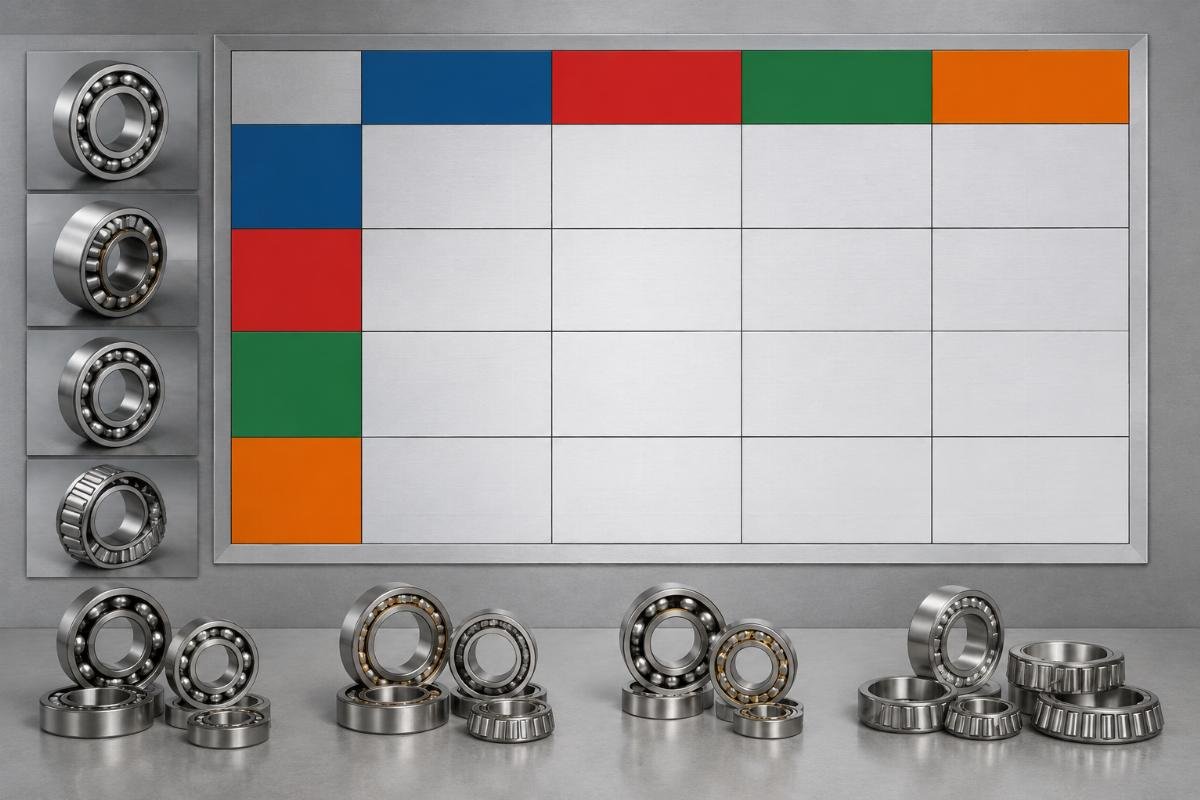
Wholesale from China: MOQ, Lead Time & Documentation
Wholesale bearing procurement from China operates on structured terms — minimum order quantities are flexible for fast-moving models, lead times depend on stock availability, and documentation must be treated as a non-negotiable deliverable, not an afterthought.
When an Omani buyer approaches a genuine SKF supplier Oman partners with for wholesale procurement, the conversation typically covers three areas: how much to order, how long it takes, and what paperwork comes with the shipment.
Minimum order quantities vary by supplier and by model. For high-volume fast movers like the 6205, 6206, and 6305 deep groove ball series, many suppliers hold ready stock and can fulfill orders starting from relatively small quantities — even a few cartons. For larger or less common models like spherical roller bearings in the 22320 range or tapered rollers in the 32218 series, MOQs may be higher, or the supplier may need to consolidate from their network of authorized sources. The key is to work with a supplier who maintains actual inventory visibility rather than one who simply brokers orders they do not control.
Lead time depends entirely on stock status. If the model is in the supplier’s warehouse, dispatch can happen within days. If the model requires consolidation from the manufacturer’s production facilities or from an authorized distribution desk, the timeline extends to weeks. There is no shortcut here. Any supplier who promises immediate shipment of a model that is known to be in short supply globally should be treated with suspicion.
Documentation is where the genuine SKF supplier Oman buyers rely on separates themselves from general traders. A complete wholesale shipment must include:
- Commercial invoice with accurate HS code classification for bearings
- Packing list with carton-level detail matching physical shipment
- Certificate of origin, issued by the relevant Chinese trade authority
- Batch-level test reports or certificates of conformity from the bearing manufacturer
- Authorization documentation proving the supplier’s relationship to the authorized distribution chain
I have seen buyers receive shipments where the commercial invoice listed a generic description like "steel parts" instead of the correct bearing HS code. This creates customs clearance problems at the destination port and can trigger inspections that delay the shipment by weeks. A professional supplier ensures the documentation is precise and consistent before the container leaves the warehouse.
Payment terms in wholesale bearing trade typically follow standard international practice. Buyers and suppliers negotiate based on order size, relationship duration, and mutual risk assessment. What matters is that the supplier is transparent about their sourcing structure and willing to provide documentation that supports the buyer’s import compliance requirements.
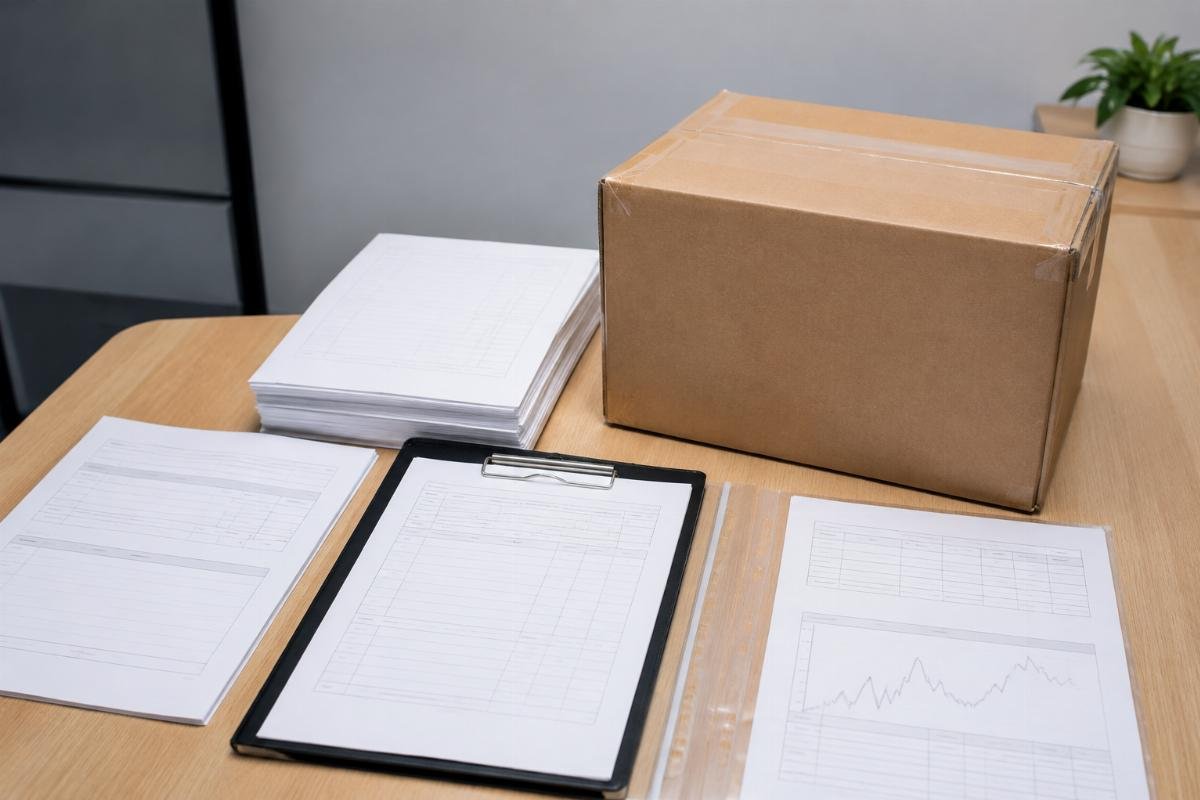
How to Choose a Reliable China-Based SKF Supplier?
Selecting a trustworthy genuine SKF supplier Oman buyers can depend on requires verifying authorization status, auditing document consistency, testing sample authenticity, and evaluating cross-brand technical capability.
Not every Chinese bearing supplier is the same. The market includes authorized Tier-1 distributors with direct relationships to manufacturer export desks, secondary traders who source from multiple channels without full traceability, and outright counterfeit operations that fabricate documentation. Distinguishing between them requires a structured evaluation process.
Authorization Verification. The first step is confirming the supplier’s relationship to the authorized distribution chain. This does not necessarily mean the supplier holds a direct franchise from SKF — many legitimate suppliers operate through authorized regional export desks or maintain formal relationships with Tier-1 distributors. What matters is that they can produce documentation proving their access to genuine product. Ask for the authorization letter. Verify that the letter is current, that it covers the product categories you are purchasing, and that the issuing entity can be independently confirmed.
Document Audit. Before placing a significant order, request sample documentation from a previous shipment — redacted if necessary, but structurally complete. Check for internal consistency: do batch numbers match across the certificate, the invoice, and the packing list? Does the country of origin align with known SKF manufacturing locations? Is the HS code correct? A supplier who cannot provide clean, consistent documentation from past transactions is unlikely to provide it for yours.
Sample Testing. For first-time engagements, order a small sample batch and run it through the full four-step verification protocol described earlier. Check the packaging, inspect the physical markings, attempt digital authentication, and cross-reference the documents. If the sample passes all checks, the supplier has demonstrated baseline credibility. If any step fails, walk away.
Technical Capability Assessment. A reliable supplier does not just sell boxes. They understand cross-reference logic, can advise on clearance and precision class selection, and can source across multiple brands when OEM models are unavailable. Ask them about a specific cross-reference scenario — for example, what NSK or FAG model would substitute for an SKF 30206 tapered roller bearing in a given application. Their response will reveal whether they have genuine technical depth or are simply moving inventory.
An Omani MRO operator once told me they had switched suppliers three times before finding one who could consistently provide both genuine SKF product and competent cross-reference advice. The previous suppliers either could not verify origin or could not source alternative brands when needed. The right supplier, in their case, was one who treated documentation and technical support as core service elements rather than optional extras.

Conclusion
Authenticity verification, cross-reference capability, and documentation discipline form the three pillars of reliable bearing procurement from China for the Omani market.
Sourcing genuine SKF bearings through an authorized China-based channel delivers real cost advantages — but only when the buyer invests effort in verifying the authenticity chain before shipment. The verification protocol is straightforward and does not require specialized equipment. The cross-reference matrix across six major brands provides procurement flexibility when supply constraints arise. And the documentation package must be treated as a contractual deliverable, not a formality. A genuine SKF supplier Oman buyers trust is defined not by the lowest price quoted, but by the traceability they can demonstrate and the technical support they can provide.
Leave a Reply